
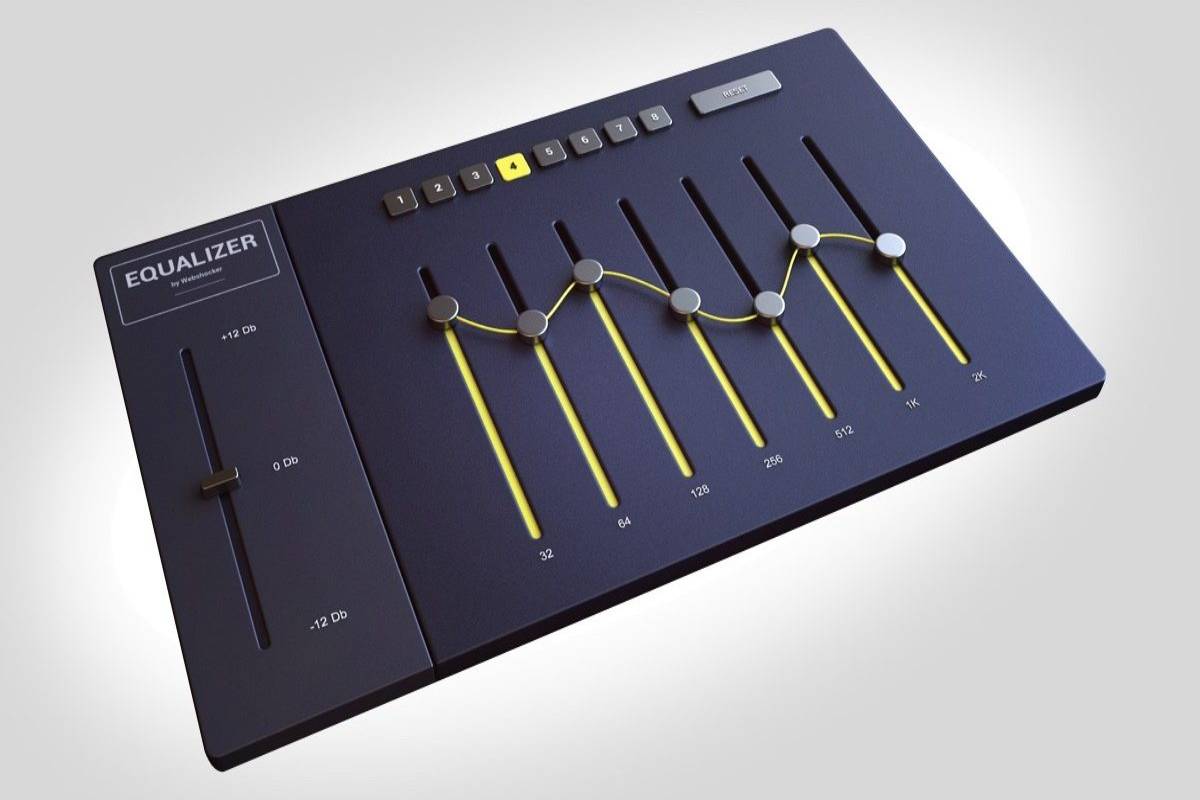
Sound signatures we take looked at the designs, features, and the various other aspects of buying a pair of headphones.
And taking navigated through most, we took the final step in choosing our favorite pair – the headphone’s sound signature.
Like a person’s signature, every headphone takes its unique sound – the sound signature, if we will.
Now, some headphones tend to amplify and focus on specific frequencies for a unique listening experience.
When choosing the headphone, this feature is essential because the sound signature needs to match the kind of music we listen to.
And make sure that we experience enjoyable listening experiences. And mess that match up, and it’s something similar to using chopsticks to eat the sandwich! They just don’t fit.
Table of Contents
What are the Sound Signatures?
Sound signatures refer to the characteristic audio tuning of headphone brands, such as neutral, bass-heavy, or bright profiles, influencing listening experiences across genres. Popular brands like Sennheiser (neutral/analytical), Beyerdynamic (bright/V-shaped), Sony (warm/balanced), Audio-Technica (neutral/detailed), and AKG (airy/spacious) vary in pricing by model tier and region.
Brand Sound Signatures
- Sennheiser: Balanced/neutral with wide soundstage (e.g., HD 800 S for audiophiles).
- Beyerdynamic: Bright treble, strong bass (e.g., DT 990 energetic).
- Audio-Technica: Flat/neutral for critical listening (e.g., ATH-M20x accurate).
- Sony: Warm, bass-forward with ANC focus (e.g., WH-1000XM6 consumer-friendly).
- AKG: Open, spacious highs (e.g., K701 detailed).
Countrywise Pricing Table
Approximate 2026 prices in USD equivalents for mid-tier models (~$100-$500 range); entry-level under $100, premium $500+. Varies by taxes, import duties (e.g., higher in India/Australia).
| Brand / Model Example | USA | Canada (CAD) | India (INR) | UK (£) | Australia (AUD) |
| Sennheiser HD 599/660S | $150-$400 | $200-$550 | ₹12k-₹35k | £120-£320 | $230-$650 |
| Beyerdynamic DT 770/990 | $130-$180 | $175-$240 | ₹11k-₹15k | £110-£150 | $210-$290 |
| Audio-Technica ATH-M20x/M50x | $50-$170 | $70-$230 | ₹4k-₹14k | £40-£140 | $80-$270 |
| Sony WH-CH520/1000XM6 | $60-$400 | $80-$550 | ₹5k-₹35k | £50-£330 | $95-$650 |
| AKG K240/K701 | $70-$350 | $95-$470 | ₹6k-₹30k | £60-£280 | $115-$560 |
Prices from major retailers; discounts common (e.g., 20-30% sales). India/Australia add 20-40% duties.
What are the Types of Sound Signature?
- Headphones’ sound signature is broadly categorized into four basic types -Flat, Balanced, Bright, V-Shaped.
1. Flat
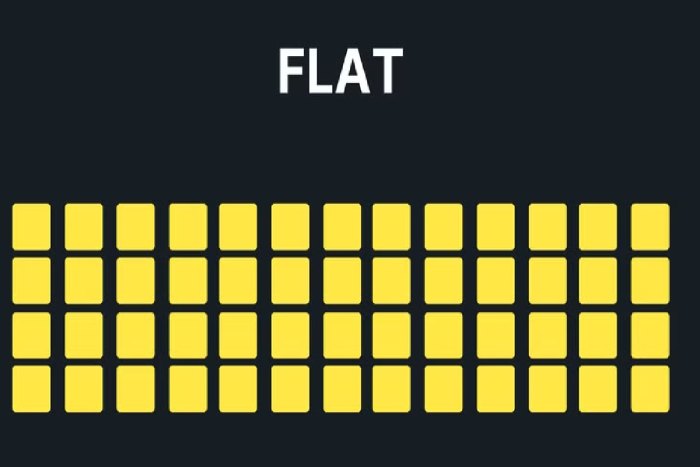
- Sound signatures the word ‘flat’ might sound boring, but it’s anything but. The signature takes many takers in the audiophile community. With all its frequencies kept equal, the audio sounds as natural as much possible.
- It’s the unique reason why professionals who create and produce music prefer to hear all the elements that go into fusion as they recorded.
- Later, these headphones are also known as reference and monitors. It’s popular with professionals and folks that prefer its signature. Genres like jazz, blues, classical, folk, and even rock rule the roost.
2. Balanced
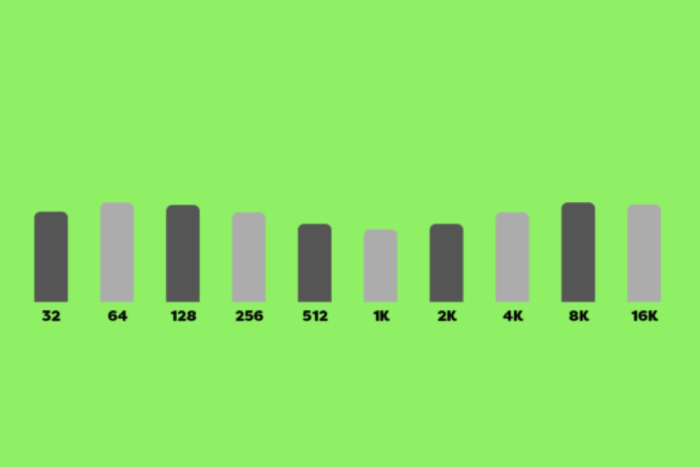
- It essentially is the flat signature with minor tweaks to make it sound more fun. And most headphone manufacturers try to achieve this by balancing all the frequencies, from lows to highs.
- Nothing is left out and stands out prominently. One gets to hear the entire range of elements in the song – from vocals, guitars to bass drums. The output thus sounds balanced and lively.
3. Bright
- Its sound signature is the tricky one. It takes the boosted treble and midrange. Interestingly, it’s popular among some audiophiles as it exposes imperfections in a sound recording.
- However, if we listen to poorly recorded audio, we are definitely in for the jarring, unpleasant session.
- Also, even in the well-tuned pair of headphones, extended listening sessions tend to lead to listener fatigue.
- And the reason – humans are naturally tolerant of lower frequencies and sensitive to higher ones. Also, the headphone that’s too bright can end up seeming harsh.
4. V-Shaped
- With the output that takes emphasized bass and treble frequencies, rock songs get that life, ‘in-our-face feel with screeching guitar solos, soaring vocals, and grooving drums.
- The V curve denotes enhanced bass and treble frequencies with the reduced mid-range.
- Its sound signature takes the universal appeal. And makes the audio sound crisp and loud and is quite popular with most listeners.
Good Signature Traits
“Good” varies by genre and use—energetic for EDM, relaxed for jazz. Prioritize balance to prevent muddiness or harshness: smooth mids preserve vocals, controlled bass avoids boominess. Test with tracks like Hotel California’s guitar solos to reveal clarity without sibilance.
Best for Audiophiles
Neutral or flat signatures reign supreme, reproducing sound closest to the source without hype. They excel in detail retrieval for classical or acoustic genres, letting studio mixes shine as intended. Analytical variants suit critical listening, slightly lifting highs for airiness minus fatigue.
| Signature Type | Bass | Mids | Treble | Ideal Genres | Example Gear |
| Neutral/Flat | Even | Forward | Even | Jazz, Classical | Sennheiser HD600 |
| V-Shaped | Boosted | Recessed | Boosted | Pop, EDM | Sony WF-1000XM5 |
| Warm | Mild boost | Thick | Rolled-off | Rock, Vocals | Beyerdynamic DT770 |
| Bright | Neutral | Clear | Elevated | Folk, Metal | Audio-Technica ATH-M50x |
| Bass-Heavy | Heavy | Neutral | Controlled | Hip-Hop | Skullcandy Crusher |
Creating Your Signature
Build one by stacking components: start with source (DAC/amp), then transducers, and refine via software. Experiment iteratively—pair warm headphones with analytical amps for balance.
- Assess preferences: Play reference tracks (e.g., Norah Jones for mids, Daft Punk for bass) across demo units at stores.
- EQ tuning: Use apps like Wavelet (Android) or Peace (PC) to adjust curves—boost 60Hz for sub-bass, cut 5kHz if shrill. Target Harman curve for consumer-friendly warmth.
- Gear synergies: Match bright IEMs (Campfire Audio) with tube amps for smoothness; add DSP cables for subtle shifts.
- Room/ear tips: Foam eartips tame highs; acoustic treatment curbs room bass nodes.
- Advanced: Custom re-tune via brand services (e.g., Empire Ears) or parametric EQ software like Equalizer APO.
Conclusion
Budget buyers favor Audio-Technica or Sony for value across regions, while audiophiles pick Sennheiser/Beyerdynamic for superior signatures despite higher costs. Match signature to preference—neutral for accuracy, V-shaped for fun—and test via return policies.