
Best Ways to Create Brand Loyalty. In today’s crowded marketplace, attracting customers is only half the battle. The real challenge—and the real opportunity—is keeping them coming back.
Table of Contents
What is Brand Loyalty?
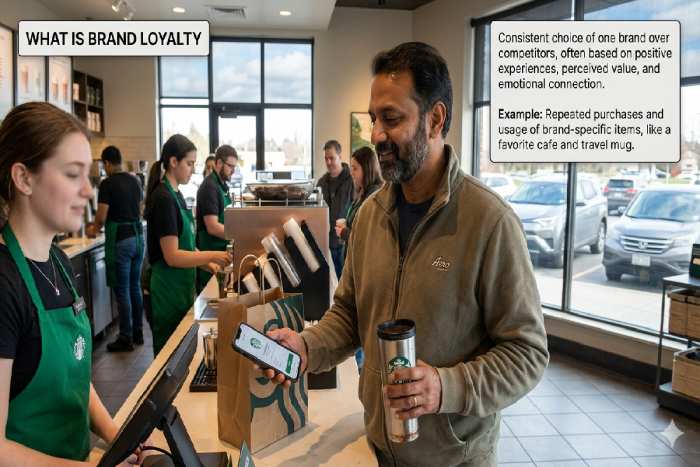
Brand loyalty is the emotional attachment and commitment customers have to a brand, leading them to repeatedly choose that brand over competitors—even when cheaper or more convenient alternatives exist.
It’s not just about repeat purchases. Brand loyalty is deeper: it’s about preference, advocacy, and trust.
Example:
Think of Apple users who upgrade to every new iPhone, defend the brand online, and wouldn’t consider switching to Android—even if competitors offer similar features at lower prices. That’s brand loyalty.
Brand Loyalty vs. Customer Loyalty: Understanding the Difference
The terms are often used interchangeably, but they’re distinct:
| Aspect | Brand Loyalty | Customer Loyalty |
| Focus | Emotional attachment to the brand | Transactional relationship |
| Driver | Trust, values, identity, community | Convenience, price, rewards |
| Behavior | Actively chooses the brand over competitors | Repeats purchases, but may switch for better deals |
| Stability | Resistant to competitive offers | Vulnerable to price or convenience changes |
Example:
- Brand loyalty: A customer chooses Nike because they identify with the “Just Do It” ethos and feel part of the Nike community.
- Customer loyalty: A customer shops at Target because it’s nearby and has good prices, but would switch to Walmart if it became more convenient.
Key takeaway: Brand loyalty is stronger and more resilient than customer loyalty because it’s rooted in emotion, not just transactions.
Why Brand Loyalty Matters for Your Business
Brand loyalty delivers measurable business results:
- Higher customer lifetime value (CLV): Loyal customers spend 67% more than new customers.
- Lower marketing costs: Acquiring a new customer costs 5–25 times more than retaining an existing one.
- Increased profitability: A 5% increase in customer retention can boost profits by 25–95%.
- Free word-of-mouth marketing: Loyal customers recommend your brand, driving organic growth.
- Resilience during crises: Trusted brands recover faster from setbacks because loyal customers give them the benefit of the doubt.
- Competitive advantage: In commoditized markets, loyalty is the differentiator.
Bottom line: Building brand loyalty is one of the highest-ROI investments you can make.
The Psychology Behind Brand Loyalty
Understanding why customers become loyal helps you build strategies that work.
Trust and Consistency
Humans crave predictability. When a brand consistently delivers quality, customers develop trust—the foundation of loyalty.
Why it works: Every positive interaction reinforces the belief that “this brand won’t let me down.”
Example: Amazon’s consistency in fast shipping and easy returns has built unshakable trust.
Emotional Connection and Identity
People are loyal to brands that reflect their identity and values. Your brand becomes part of how they see themselves.
Why it works: Buying from a brand they love makes customers feel good about themselves.
Example: Harley-Davidson customers don’t just buy motorcycles—they join a lifestyle and community. The brand represents freedom and rebellion.
Sense of Belonging and Community
Humans are social creatures. Brands that create communities tap into our need for belonging.
Why it works: Customers stay loyal because leaving the brand means leaving the community.
Example: Peloton creates community through live classes, leaderboards, and social features. Members feel connected to instructors and fellow riders.
10 Best Ways to Create Brand Loyalty
Here are the most effective strategies, backed by research and real-world success.
1. Deliver Consistent Quality Every Time
Why it works:
Consistency builds trust. If customers can’t rely on your quality, they won’t come back.
How to implement:
- Establish quality control processes to ensure every product/service meets standards
- Train employees to deliver consistent experiences
- Monitor customer feedback to catch quality issues early
Example:
McDonald’s succeeds globally because a Big Mac tastes the same whether you’re in New York or Tokyo. Customers know exactly what to expect.
Pro tip: Consistency applies to everything—product quality, customer service, website experience, and even packaging.
2. Personalize Customer Experiences
Why it works:
Personalization makes customers feel seen and valued. 80% of consumers are more likely to buy from brands that offer personalized experiences.
How to implement:
- Use customer data to tailor recommendations (purchase history, browsing behavior)
- Send personalized emails (using names, relevant offers)
- Create customized product bundles or services
- Remember customer preferences (sizes, colors, dietary restrictions)
Example:
Netflix personalizes content recommendations based on viewing history, making each user’s homepage unique. This keeps subscribers engaged and loyal.
Pro tip: Balance personalization with privacy. Be transparent about data usage and give customers control.
3. Build Exceptional Customer Service
Why it works:
96% of customers say customer service is important in their choice of loyalty to a brand.
How to implement:
- Respond quickly (aim for under 1 hour on social media, same-day for emails)
- Train staff to solve problems with empathy and authority
- Empower employees to make decisions without escalating
- Offer multiple support channels (chat, email, phone, social)
Example:
Zappos built a cult following through legendary customer service—10-hour phone calls, surprise upgrades to overnight shipping, and a 365-day return policy.
Pro tip: Turn complaints into loyalty opportunities. Customers whose issues are resolved quickly often become more loyal than those who never had problems.
4. Create a Rewarding Loyalty Program
Why it works:
Loyalty programs incentivize repeat purchases and make customers feel appreciated. 84% of consumers say loyalty programs make them more likely to continue doing business with a brand.
How to implement:
- Points-based systems: Customers earn points for purchases, redeemable for rewards
- Tiered programs: Offer increasing benefits as customers reach higher tiers (Silver, Gold, Platinum)
- Experiential rewards: Provide exclusive experiences (early access, VIP events)
- Paid memberships: Charge a fee for premium benefits (Amazon Prime model)
Example:
Starbucks Rewards is one of the most successful loyalty programs, with 30+ million active members. Customers earn stars for purchases, which unlock free drinks and food.
Pro tip: Make earning and redeeming rewards easy. Complicated programs frustrate customers.
5. Tell an Authentic Brand Story
Why it works:
Stories create emotional connections. Customers remember stories, not sales pitches.
How to implement:
- Share your brand’s origin story (why you started, what problem you’re solving)
- Highlight customer success stories and testimonials
- Be transparent about your values and mission
- Use storytelling in marketing campaigns
Example:
TOMS Shoes built loyalty around its “One for One” story: for every pair purchased, TOMS donates a pair to a child in need. Customers feel good about their purchase because they’re contributing to a cause.
Pro tip: Authenticity is critical. Don’t fabricate stories—customers can spot fake narratives instantly.
6. Engage Actively on Social Media
Why it works:
Social media humanizes your brand and creates ongoing conversations with customers.
How to implement:
- Respond to comments and messages promptly
- Share user-generated content (photos, reviews)
- Ask questions and run polls to encourage interaction
- Use behind-the-scenes content to build connection
- Join relevant conversations and trending topics
Example:
Wendy’s has built a loyal social media following through witty, playful interactions with customers and competitors. Their Twitter presence makes the brand feel relatable and fun.
Pro tip: Don’t just broadcast—engage in two-way conversations. Show you’re listening.
7. Foster a Brand Community
Why it works:
Communities create belonging. When customers connect with each other through your brand, loyalty deepens.
How to implement:
- Create online forums or Facebook/Discord groups
- Host in-person or virtual events (meetups, workshops)
- Feature customer stories and spotlight community members
- Encourage customers to share tips and advice with each other
Example:
Sephora’s Beauty Insider Community lets members ask questions, share makeup looks, and connect with beauty enthusiasts. The community strengthens loyalty beyond just products.
Pro tip: Moderate actively to maintain a positive, supportive environment.
8. Collect and Act on Customer Feedback
Why it works:
Listening shows you value customers’ opinions. Acting on feedback demonstrates you’re committed to improvement.
How to implement:
- Send post-purchase surveys (CSAT, NPS)
- Monitor reviews on Google, Yelp, Trustpilot
- Use social listening tools to track brand mentions
- Create feedback loops: tell customers what you changed based on their input
Example:
Slack actively solicits user feedback and publicly shares how they’ve implemented suggestions in product updates. Customers feel heard and valued.
Pro tip: Close the feedback loop—let customers know their input led to changes.
9. Encourage User-Generated Content (UGC)
Why it works:
UGC turns customers into brand advocates and provides social proof for potential customers.
How to implement:
- Create branded hashtags and encourage customers to share
- Run photo/video contests with prizes
- Feature customer content on your website and social channels
- Send products to customers to review and share
Example:
GoPro built an empire on UGC. Customers share adventure videos shot on GoPro cameras, which GoPro reposts, creating a cycle of free marketing and community pride.
Pro tip: Always credit and thank customers when you feature their content.
10. Surprise and Delight Your Customers
Why it works:
Unexpected positive experiences create memorable moments that customers share with others.
How to implement:
- Send handwritten thank-you notes
- Offer surprise upgrades or freebies
- Give birthday or anniversary discounts
- Randomly select customers for special gifts
Example:
Chewy (pet supplies) is famous for sending handwritten sympathy cards and flowers when a customer’s pet passes away. These gestures create lifelong loyalty.
Pro tip: Small gestures have big impact. Even a $5 surprise can create a story customers share.
How to Measure Brand Loyalty
You can’t improve what you don’t measure. Track these key metrics:
Key Metrics to Track
- Customer Retention Rate
Percentage of customers who return within a specific period.
Formula:[(Customers at end of period – New customers) / Customers at start] × 100 - Net Promoter Score (NPS)
Measures likelihood to recommend (scale of 0–10).
Formula:% Promoters (9-10) – % Detractors (0-6) - Customer Lifetime Value (CLV)
Total revenue a customer generates over their relationship with your brand. - Repeat Purchase Rate
Percentage of customers who make more than one purchase.
Formula:(Customers with 2+ purchases / Total customers) × 100 - Referral Rate
Percentage of new customers acquired through referrals. - Customer Satisfaction (CSAT)
Measures satisfaction with specific interactions (scale of 1–5).
Tools for Measuring Loyalty
- Survey tools: SurveyMonkey, Typeform, Qualtrics
- Analytics platforms: Google Analytics, Mixpanel, Amplitude
- CRM systems: HubSpot, Salesforce, Zendesk
- Social listening: Brandwatch, Hootsuite Insights, Sprout Social
- Loyalty platforms: Smile.io, LoyaltyLion, Yotpo
Real-World Examples of Strong Brand Loyalty
Apple: The Ultimate Loyalty Ecosystem
Strategy: Apple creates a seamless ecosystem where devices work together (iPhone, Mac, iPad, Apple Watch). Switching to competitors means losing integration.
Result: Apple’s customer retention rate is 92%, the highest in the tech industry.
Starbucks: Rewards That Keep Customers Coming Back
Strategy: Starbucks Rewards offers points for purchases, free birthday drinks, and mobile ordering convenience.
Result: 30+ million active members drive 40% of company sales.
Patagonia: Values-Driven Loyalty
Strategy: Patagonia prioritizes environmental activism, even encouraging customers to repair (not replace) products.
Result: Customers are fiercely loyal because they share the brand’s values. The brand has a cult following.
Common Mistakes That Kill Brand Loyalty
Inconsistent Messaging
Saying one thing and doing another destroys trust.
Example: A brand claims sustainability but uses excessive plastic packaging.
Ignoring Customer Feedback
Customers who feel unheard will leave.
Solution: Actively solicit feedback and communicate changes based on input.
Prioritizing Acquisition Over Retention
Chasing new customers while neglecting existing ones is a loyalty killer.
Solution: Balance acquisition and retention budgets.
Lack of Authenticity
Performative campaigns or fake values backfire.
Solution: Only support causes that genuinely align with your brand.
How Long Does It Take to Build Brand Loyalty?
Brand loyalty is a long-term investment. Timelines vary by industry and touchpoints:
- E-commerce: 6–12 months of consistent positive experiences
- SaaS: 3–6 months (faster due to frequent interactions)
- Retail: 12–24 months (requires multiple purchases)
- B2B: 12–36 months (longer sales cycles, relationship-driven)
Key factors:
- Frequency of customer interactions
- Quality of experiences
- Emotional resonance of brand
- Competitive landscape
Building Brand Loyalty on a Budget
You don’t need a huge budget. Here are free/low-cost tactics:
- Personalized emails: Use customer names and tailor content
- Social media engagement: Respond to comments and DMs
- User-generated content campaigns: Create a hashtag and repost customer photos
- Thank-you notes: Handwritten notes cost pennies but create big impact
- Community building: Start a free Facebook group or Discord server
- Surprise discounts: Send occasional coupon codes to repeat customers
- Customer spotlights: Feature customer stories on your blog or social media
Bottom line: Creativity and consistency beat budget every time.
Frequently Asked Questions About Creating Brand Loyalty
- What is brand loyalty, and why is it important?
Brand loyalty is the emotional attachment customers have to a brand, leading them to choose it repeatedly over competitors. It’s important because loyal customers spend more, cost less to retain, and actively recommend your brand to others, driving sustainable growth.
- What is the difference between brand loyalty and customer loyalty?
Brand loyalty is rooted in emotional connection—customers prefer your brand because of trust, values, or identity. Customer loyalty is transactional—customers repeat purchases due to convenience, rewards, or price. Brand loyalty is stronger and more resilient.
- How do you measure brand loyalty?
Key metrics include:
- Customer Retention Rate: Percentage of returning customers
- Net Promoter Score (NPS): Likelihood to recommend
- Customer Lifetime Value (CLV): Total revenue per customer
- Repeat Purchase Rate: Frequency of repeat buys
- Referral Rate: New customers from recommendations
- Do I need a loyalty program to build brand loyalty?
No. While loyalty programs help, they’re not required. You can build loyalty through exceptional service, consistent quality, personalization, community building, and emotional branding. Loyalty programs are one tool, not the only one.
- How long does it take to build brand loyalty?
It varies by industry:
- E-commerce: 6–12 months
- SaaS: 3–6 months
- Retail: 12–24 months
- B2B: 12–36 months
Consistency and quality of interactions determine speed.
- What are some examples of brands with high loyalty?
- Apple: Ecosystem integration and premium experience
- Starbucks: Rewarding loyalty program and convenience
- Patagonia: Values-driven environmental activism
- Nike: Community and inspirational branding
- Amazon: Consistency in fast shipping and easy returns
Final Thoughts: Brand Loyalty Is a Long-Term Investment
Creating brand loyalty isn’t a one-time campaign—it’s a continuous commitment to delivering value, building trust, and fostering emotional connections.
The strategies in this guide work, but they require consistency, authenticity, and patience. You won’t see results overnight. But over time, loyal customers become your most valuable asset—spending more, advocating loudly, and sticking with you through challenges.