Social Networks: Complete Guide to Platforms, Trends, and Impact in 2026
Social networks connect billions daily, shaping how we share, discover, and engage online. From Facebook’s friend feeds to TikTok’s viral dances, these platforms power conversations, commerce, and culture. This guide breaks down everything from basics to 2026 trends.
Table of Contents
What Are Social Networks? Definition and Core Features
Social networks are online platforms where users create profiles, connect with others, and share content like posts, photos, videos, or updates. They thrive on user-generated content and network effects—each new user boosts value for everyone.
Unlike email or messaging apps, social networks emphasize public or semi-public sharing for broader discovery. Core features include friend/follower lists, news feeds, likes/shares, and algorithmic recommendations.
How Social Networks Differ from Messaging Apps
Messaging apps like WhatsApp focus on private chats; social networks prioritize discoverability. Instagram mixes both: DMs for private, Reels for public virality.
Key Components: Profiles, Feeds, and Connections
Profiles showcase identity (bio, photo). Feeds curate content via algorithms. Connections form networks, amplifying reach through shares.
History and Evolution of Social Networks
Social networks trace to 1997’s SixDegrees, the first to combine profiles and messaging. MySpace exploded in 2003 with customization; Facebook (2004) scaled globally via real-name policies.
Twitter (2006) birthed microblogging; Instagram (2010) owned visuals; TikTok (2016) mastered short video. Pivots like Threads (2023) challenge incumbents.
Timeline from SixDegrees to TikTok
- 1997: SixDegrees (1M users, shut 2001)
- 2003: MySpace peaks at 75M
- 2008: Facebook hits 100M
- 2012: Instagram acquired for $1B
- 2024: TikTok 1.7B users
Pivotal Shifts: Mobile, Video, AI
Mobile apps (2010s) exploded access. Video (Reels, Shorts) dominated 2020s. AI now powers feeds, moderation, and personalized ads.
Top Social Networks by User Count in 2026
Facebook leads with 3.1B monthly active users (MAU), followed by YouTube (2.5B), Instagram (2B), WhatsApp (2B), TikTok (1.8B).
| Platform | MAU (2026 Est.) | Key Demographic | Primary Use |
| 3.1B | 25-44 | General networking | |
| YouTube | 2.5B | 18-34 | Video discovery |
| 2B | 18-34 | Visual sharing | |
| TikTok | 1.8B | Gen Z | Short videos |
| 1.1B | Professionals | Career networking |
Global MAU Leaders
Meta owns top 3 (FB, IG, WA). ByteDance’s TikTok surges in emerging markets.
Regional Favorites
India: WhatsApp/Instagram; China: WeChat/Douyin; US: TikTok/YouTube.
Types of Social Networks and Their Uses
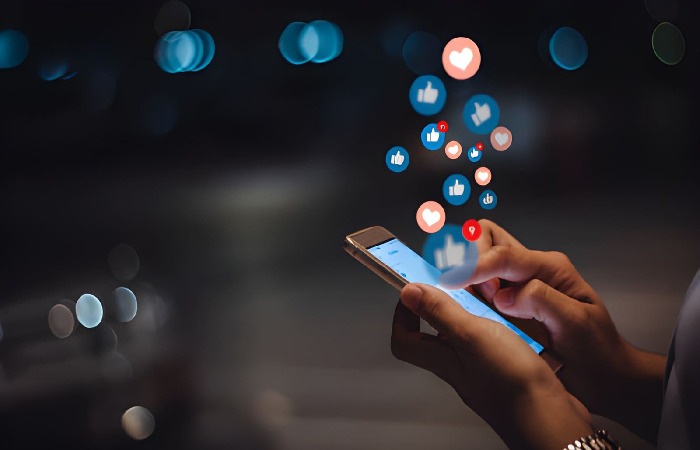
Social networks come in diverse types, each tailored to specific content formats, user goals, and communities—from broad connection hubs to niche passion projects.
1. Social Networking Sites (General Purpose)
Platforms for broad connections, status updates, and groups.
Examples: Facebook (3B+ users), Instagram (2B+), Threads.
Uses: Personal sharing, events, family updates, brand communities. Best for relationship-building and casual discovery.
2. Professional Networks
Career-focused sites for jobs, networking, and industry news.
Examples: LinkedIn (1B+ users), Xing (Europe-focused).
Uses: B2B leads, recruiting, thought leadership. Essential for professionals (25-65 age group).
3. Visual/Image-Sharing Platforms
Photo/video-centric with aesthetic feeds and stories.
Examples: Instagram, Pinterest (500M+ users), Snapchat.
Uses: Inspiration, shopping (shoppable posts), influencer marketing. Gen Z/18-34 dominant.
4. Short-Form Video Apps
Quick, addictive clips with music/effects for viral trends.
Examples: TikTok (1.8B users), YouTube Shorts, Instagram Reels.
Uses: Entertainment, brand challenges, product demos. Highest engagement rates.
5. Discussion Forums & Communities
Threaded conversations on topics, Q&A, or debates.
Examples: Reddit, Quora, Discord servers.
Uses: Deep dives, advice, customer support. High retention in niches like tech/gaming.
6. Professional & Interest-Based Niche Networks
Hyper-focused on hobbies, professions, or causes.
Examples: Strava (fitness), Goodreads (books), Letterboxd (movies).
Uses: Passion communities, challenges, user-generated tips.
7. Live Streaming Platforms
Real-time video broadcasts with chat interaction.
Examples: Twitch, YouTube Live, Instagram Live.
Uses: Gaming, events, Q&As, influencer streams.
8. Emerging/Decentralized Networks (2026 Trends)
User-owned, privacy-first alternatives.
Examples: Bluesky (15M+), Mastodon (fediverse).
Uses: Free speech, customization, anti-corporate vibes.
Comparison Table
| Type | Examples | Core Users | Best Business Use | Engagement Style |
| Networking | Facebook, Instagram | All ages | Ads, communities | Feeds, stories |
| Professional | 25-65 | Leads, hiring | Posts, articles | |
| Visual | Pinterest, Snapchat | 18-34 | E-commerce | Pins, filters |
| Video | TikTok, Reels | Gen Z | Virality | Duets, trends |
| Forums | Reddit, Discord | Varied niches | Support, insights | Threads, chats |
| Niche | Strava, Goodreads | Hobbyists | Partnerships | Reviews, logs |
Choose based on audience: B2C brands favor TikTok/Instagram; B2B sticks to LinkedIn. Niche platforms yield 3x engagement despite smaller scale.
How Social Networks Work: Algorithms, Monetization, and Privacy
Algorithms rank content by engagement predictions. EdgeRank (FB) weighs likes, comments, shares.
Monetization: Ads (90% revenue), premium features, e-commerce.
Feed Algorithms Explained
Recency + relevance + relationships. AI scans interests from past behavior.
Revenue Models
Facebook: $150B ads 2025. TikTok: Creator funds + shop.
Data Privacy in 2026
GDPR/DMA expansions; end-to-end encryption rises. Users demand control amid breaches.
Benefits and Risks of Social Networks
Social networks offer powerful connectivity but come with notable downsides, especially amplified by AI personalization and 2026’s hyper-engaged digital landscape.
Key Benefits
- Global Connectivity: Link with family, friends, or professionals worldwide instantly—LinkedIn alone facilitates 58M+ weekly job hunts.
- Information Sharing: Real-time news, crisis alerts (e.g., disaster warnings), and education spread rapidly, aiding movements like public health campaigns.
- Business Opportunities: Marketing reaches billions; influencers drive 11x ROI on collabs, while platforms like Instagram Shops enable direct sales.
- Community Support: Niche groups provide peer help for health issues, hobbies, or marginalized voices, fostering belonging.
- Skill Building: Networking uncovers jobs, collaborations, and trends—essential for remote work and freelancing.
Average users gain diverse perspectives and convenience, with 70% reporting stronger ties through platforms.
Key Risks
- Mental Health Strain: Doomscrolling links to anxiety/depression; teens face 2x body image issues from curated feeds.
- Misinformation Spread: AI deepfakes and echo chambers fuel polarization—2024 elections saw 30% false narratives viral.
- Privacy Erosion: Data breaches expose profiles; targeted ads feel invasive, with little user control under lax regulations.
- Cyberbullying/Addiction: Relentless trolling harms youth; avg 2.5hrs daily use disrupts sleep/productivity.
- Superficial Ties: High “friends” counts mask loneliness; offline relationships weaken amid screen time.
Businesses risk reputational damage from viral backlash or ad misplacement.
Benefits vs. Risks Table
| Aspect | Benefits | Risks |
| Social | Builds communities, global friendships | Cyberbullying, shallow connections |
| Mental | Peer support groups | Anxiety from FOMO/comparison |
| Professional | Networking, lead gen | Distraction, time waste |
| Info | Fast news access | Fake news, bias bubbles |
| Privacy | Controlled sharing tools | Data exploitation, scams |
Balance use with limits (e.g., 30min/day caps) and verification habits for net positives.
FAQ SECTION
What are social networks?
Online platforms for creating profiles, connecting, and sharing content publicly.
What is the largest social network in 2026?
Facebook with ~3.1B monthly active users.
Difference between social networks and social media?
Social networks focus on connections; social media emphasizes content sharing (often overlapping).
Are social networks free to use?
Yes, core features free; revenue from ads/data.
Top social networks for business?
LinkedIn (B2B), Instagram/TikTok (B2C).
Privacy risks on social networks?
Data breaches, targeted ads; use 2FA, limit sharing.
Future of social networks?
AI personalization, decentralization, immersive VR.
How many social networks exist?
Thousands, but top 10 hold 90% users.