
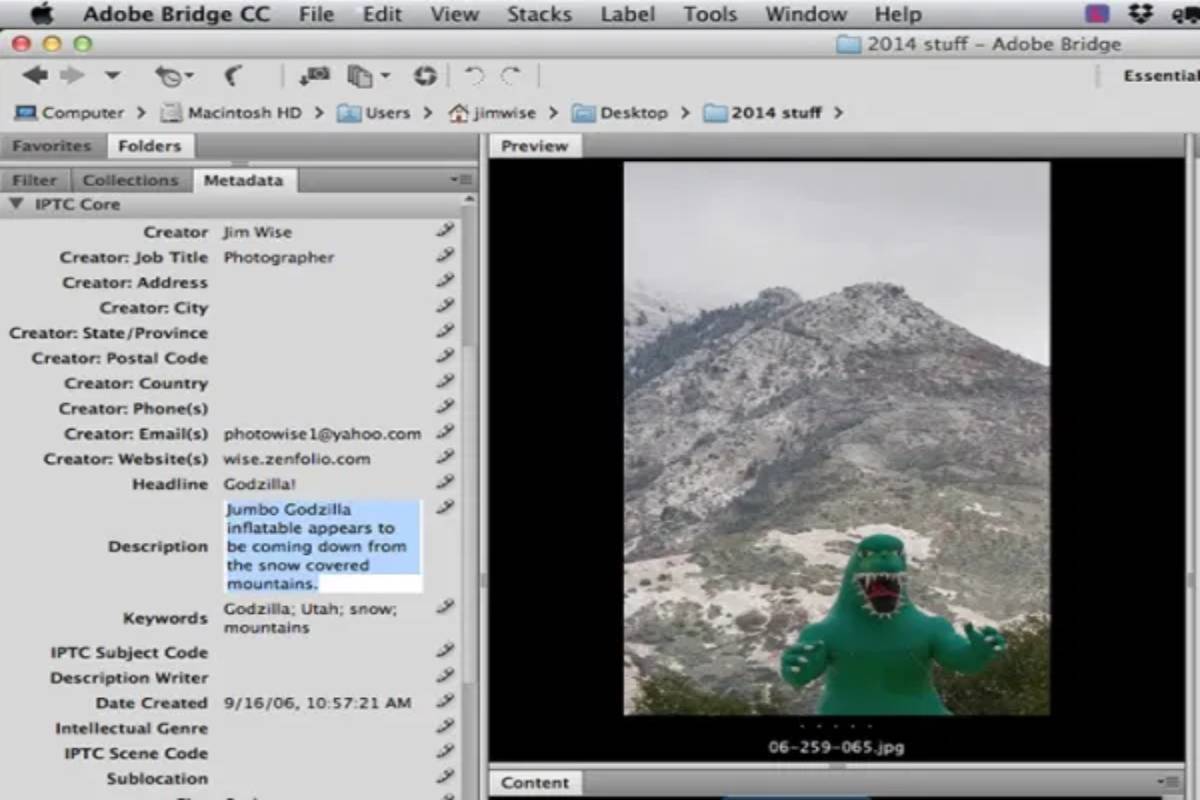
Every digital file, document, photo, or database entry contains hidden information that describes, organizes, and contextualizes the content within. This hidden layer of information is called metadata and it’s fundamental to how modern technology functions.
Whether you’re searching Google, streaming music on Spotify, or managing corporate databases, metadata makes it all possible. This comprehensive guide breaks down everything you need to know about metadata, from basic definitions to enterprise implementation strategies.
Table of Contents
What is Metadata?
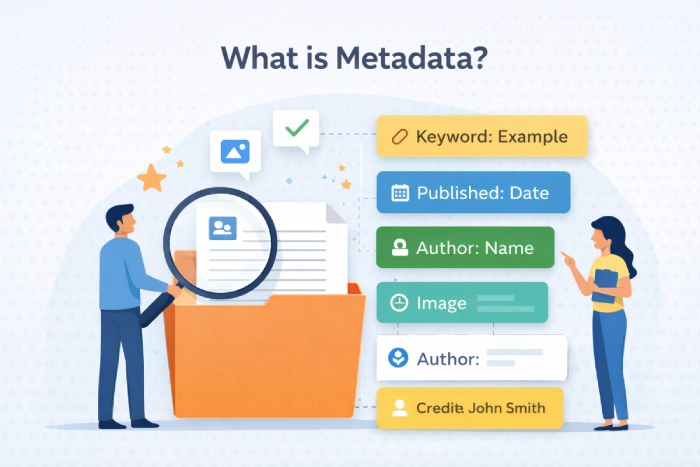
Metadata is information that describes other data. Often called “data about data,” metadata provides context, structure, and meaning to raw information, making it searchable, manageable, and useful.
Simple Definition
Think of metadata as a label on a filing cabinet. The label doesn’t contain the documents themselves—it tells you what’s inside, who created it, when it was filed, and how to find it. Similarly, metadata doesn’t change the actual data; it describes it.
Example: When you take a photo with your smartphone, the image itself is the data. The metadata includes:
- Date and time the photo was taken
- Camera settings (ISO, aperture, shutter speed)
- GPS location coordinates
- Device model
- File size and format
The “Data About Data” Concept
The phrase “data about data” can seem abstract, so let’s break it down with a concrete example.
A digital book (the data) contains the text, chapters, and images.
The book’s metadata includes:
- Title
- Author name
- Publication date
- ISBN number
- Genre/category
- Page count
- Language
- Publisher
The metadata doesn’t tell you what the book says—it tells you about the book so you can find it, categorize it, and decide if it’s what you need.
Why Metadata Exists
Metadata solves three fundamental problems:
- Discovery: How do you find specific information among millions of files?
- Organization: How do you group related information logically?
- Context: How do you understand what data means and where it came from?
Without metadata, every search would require reading entire documents, every organization system would collapse into chaos, and data provenance would be impossible to trace.
Types of Metadata: Complete Classification
Metadata isn’t one-size-fits-all. Different types serve different purposes, and understanding these categories helps you use metadata effectively.
Descriptive Metadata
Purpose: Helps identify and discover resources
Descriptive metadata answers: What is this?
Common elements:
- Title
- Author/Creator
- Subject/Keywords
- Description/Abstract
- Publication date
- Language
Example: A research paper’s title, author list, abstract, and keywords are all descriptive metadata that help researchers find relevant studies.
Structural Metadata
Purpose: Defines how data components relate to each other
Structural metadata answers: How is this organized?
Common elements:
- Page order in a document
- Chapter structure in a book
- Table relationships in a database
- Folder hierarchies
- File format specifications
Example: An eBook’s structural metadata defines chapters, sections, page numbers, and navigation, allowing e-readers to display a table of contents and enable bookmarking.
Administrative Metadata
Purpose: Manages rights, access, and preservation
Administrative metadata answers: Who can use this and how?
Administrative metadata has three subcategories:
Rights metadata:
- Copyright status
- Licensing terms
- Usage restrictions
- Owner information
Preservation metadata:
- File format
- Migration history
- Checksum/hash values
- Storage location
Technical metadata:
- File size
- Resolution
- Compression type
- Software requirements
Example: A stock photo’s administrative metadata includes the photographer’s copyright, licensing cost, allowed usage (commercial/editorial), and expiration date.
Technical Metadata
Purpose: Describes the technical characteristics of data
Technical metadata answers: What are the technical specifications?
Common elements:
- File format (.JPEG, .PDF, .CSV)
- Resolution (1920×1080, 300 DPI)
- Bit rate and codec (video/audio)
- Hardware/software requirements
- Compression algorithms
- Color space (RGB, CMYK)
Example: A video file’s technical metadata includes codec (H.264), resolution (4K), frame rate (60fps), bit rate (25Mbps), and audio format (AAC).
Business Metadata
Purpose: Provides business context and definitions
Business metadata answers: What does this mean to the business
Common elements:
- Business terms and definitions
- Data ownership
- Business rules
- Calculation formulas
- Approval workflows
- Data quality metrics
Example: A “Customer Lifetime Value” metric in a database includes business metadata explaining the calculation method, which departments use it, and how often it’s updated.
Operational Metadata
Purpose: Tracks data usage and processing
Operational metadata answers: How is this being used?
Common elements:
- Access logs (who viewed it, when)
- Processing history
- Data lineage (where it came from)
- Transformation rules
- Error rates
- Performance metrics
Example: A data pipeline’s operational metadata tracks when data was last refreshed, how many records were processed, any errors encountered, and processing duration.
Comparison Table: All Metadata Types
| Type | Primary Purpose | Key Question | Example Elements |
| Descriptive | Discovery & identification | What is this? | Title, author, keywords, description |
| Structural | Organization & relationships | How is it organized? | Page order, chapters, table relationships |
| Administrative | Rights & preservation | Who can use this? | Copyright, license, format, storage |
| Technical | Technical specifications | What are the specs? | File format, resolution, codec, size |
| Business | Business context | What does it mean? | Business terms, ownership, quality rules |
| Operational | Usage & processing | How is it used? | Access logs, lineage, processing history |
Metadata in Photos and Images
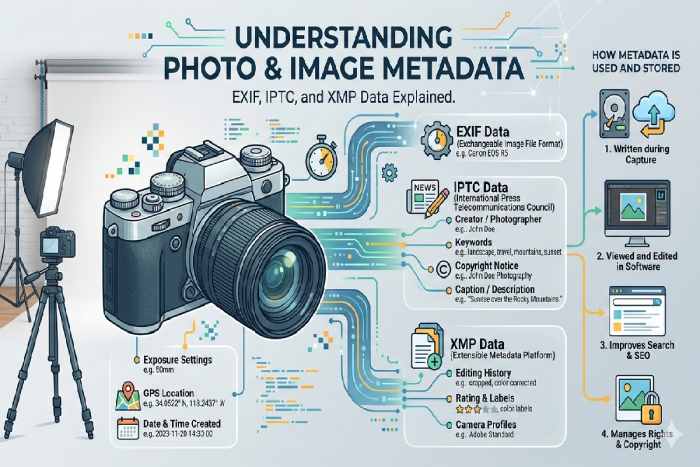
When you snap a photo on your smartphone, extensive metadata is automatically created:
EXIF (Exchangeable Image File Format) metadata includes:
- Date and time taken
- GPS coordinates (latitude/longitude)
- Camera make and model
- Lens focal length
- ISO sensitivity
- Aperture (f-stop)
- Shutter speed
- Flash usage
- Image orientation
- Color space
Privacy concern: This metadata can reveal your exact location and daily patterns. Many social media platforms strip GPS data before publishing, but not all do.
Metadata in Documents and PDFs
Microsoft Word documents and PDFs contain rich metadata:
- Author name (often your computer login name)
- Organization (company name from software license)
- Creation date
- Modification history (all authors who edited)
- Revision number
- Total editing time
- Hidden text and comments
Professional tip: Always scrub metadata from documents before sharing externally—hidden comments and edit history can reveal sensitive information.
Metadata in Databases
Database metadata defines the structure and rules:
Schema metadata:
- Table names
- Column names and data types
- Primary and foreign keys
- Indexes
- Constraints (required fields, valid ranges)
Catalog metadata:
- Table relationships
- View definitions
- Stored procedures
- User permissions
Example: An “Employees” table metadata specifies that “EmployeeID” is an integer primary key, “HireDate” is a date field, and “Salary” must be positive.
Metadata in Web Pages (HTML Meta Tags)
Every web page contains metadata in the HTML <head> section:
html
<meta name=”description” content=”Complete guide to metadata with examples”><meta name=”keywords” content=”metadata, data governance, examples”><meta name=”author” content=”Data Insights Team”><meta property=”og:title” content=”What is Metadata?”><meta property=”og:image” content=”thumbnail.jpg”>
SEO importance: Search engines use title tags and meta descriptions to understand page content and display search results. Properly optimized metadata directly impacts search rankings.
Metadata in Music and Video Files
Digital media files embed rich metadata for organization:
Music metadata (ID3 tags):
- Track title
- Artist name
- Album title
- Genre
- Release year
- Track number
- Album artwork
- Lyrics
- Composer
- BPM (beats per minute)
How Spotify uses this: Spotify combines metadata with behavioral data (what you skip, replay, or save) to power recommendations and create personalized playlists.
Metadata in Social Media
Social platforms generate extensive metadata:
Instagram photo metadata:
- Post timestamp
- Number of likes/comments
- Filter applied
- Tagged users
- Location tag
- Hashtags
- Device used
Facebook metadata:
- Friend connections
- Page likes
- Event attendance
- Reaction types
- Share chains
- Ad interactions
Privacy note: Even if you delete the post content, platforms often retain metadata indefinitely for analytics and targeting.
Why Metadata Matters: Key Benefits
Improved Data Discovery and Search
Metadata makes finding information exponentially faster.
Without metadata: Searching for “Q3 sales report” would require opening and reading every document to find the right one.
With metadata: The system searches document titles, authors, creation dates, and keywords—returning results in milliseconds.
Scale impact: Google indexes billions of web pages by analyzing metadata (title tags, headers, image alt text) rather than understanding every word.
Better Data Governance and Compliance
Organizations need to know what data they have, where it lives, who owns it, and how it should be protected.
Metadata enables:
- Data classification (public, confidential, restricted)
- Ownership tracking (who’s responsible for this data)
- Lineage documentation (where did this data originate)
- Access control (who can view/edit)
- Retention policies (when to archive/delete)
Compliance benefit: GDPR requires companies to know what personal data they hold. Metadata catalogs make this auditable and manageable.
Enhanced AI and Machine Learning
AI systems require metadata to function effectively:
Training data metadata:
- What the data represents
- Quality scores
- Labeling information
- Bias indicators
- Source attribution
Model metadata:
- Training parameters
- Performance metrics
- Version history
- Deployment status
Without metadata: AI models become “black boxes”—nobody knows what data was used, how it was processed, or why results are generated.
With metadata: Teams can trace decisions, validate accuracy, and ensure ethical AI practices.
Efficient Data Management
Metadata reduces operational costs by automating organization:
Automated tasks:
- Categorizing incoming data
- Routing information to correct departments
- Archiving old records
- Detecting duplicate files
- Enforcing naming conventions
Example: A large hospital uses metadata to automatically route patient scans to appropriate specialists based on scan type, body region, and urgency level—eliminating manual sorting.
How Metadata Works
How Metadata is Created
Metadata generation happens through three methods:
- Automatic creationSystems generate metadata without human intervention:
- Cameras add EXIF data to photos
- Operating systems track file creation dates
- Databases log access timestamps
- Web servers record IP addresses
- Manual entryHumans actively create metadata:
- Authors filling out document properties
- Librarians cataloging books
- Photographers adding keywords to images
- Content creators writing meta descriptions
- Algorithmic extractionAI and algorithms derive metadata:
- Speech-to-text transcription for videos
- Auto-tagging images using computer vision
- Sentiment analysis of customer reviews
- Entity extraction from documents
Best practice: Combine methods—use automation for technical metadata, manual entry for business context, and AI for scale.
Where Metadata is Stored
Metadata lives in different places depending on the system:
Embedded metadata: Stored within the file itself
- EXIF data in JPEG files
- ID3 tags in MP3 files
- PDF document properties
Separate metadata repositories: Stored in databases or catalogs
- Library catalog systems
- Content management databases
- Data warehouse metadata stores
Distributed metadata: Spread across multiple systems
- Blockchain transaction metadata
- Microservices metadata
- Cloud-native applications
Trade-offs:
- Embedded metadata travels with files but is harder to query
- Separate repositories enable powerful search but risk disconnection from data
- Distributed metadata scales well but requires coordination
How Metadata is Used
At search time: When you search Google, the engine queries web page metadata (titles, headers, meta tags) to find relevant results—not the entire text of every page.
For access control: When you open a shared document, metadata (permissions, group memberships) determines if you can view, edit, or must be denied access.
In recommendations: When Netflix suggests shows, it analyzes metadata (genre, actors, director, your watch history) to predict what you’ll enjoy.
For automation: When email arrives, metadata (sender, subject, attachments) triggers rules—spam filtering, folder sorting, priority flagging.
Metadata Standards and Frameworks
Standards ensure metadata consistency across organizations and systems.
Dublin Core
Dublin Core is one of the most widely adopted metadata standards, consisting of 15 core elements:
Core elements:
- Title
- Creator
- Subject
- Description
- Publisher
- Contributor
- Date
- Type
- Format
- Identifier
- Source
- Language
- Relation
- Coverage
- Rights
Why it’s popular: Simple, flexible, and applicable across industries—from libraries to digital museums to corporate repositories.
ISO Standards
ISO 15836: International standard for Dublin Core metadata
19115: Geographic information metadata
23081: Records management metadata
Benefit: International recognition and interoperability
Industry-Specific Standards
Different sectors have specialized metadata needs:
Healthcare: DICOM (Digital Imaging and Communications in Medicine) for medical images
Libraries: MARC (Machine-Readable Cataloging)
Archives: EAD (Encoded Archival Description)
Publishing: ONIX (Online Information Exchange)
Broadcasting: PBCore (Public Broadcasting Metadata Dictionary)
Why Standards Matter
Interoperability: Systems from different vendors can exchange data
Consistency: Everyone uses the same terms and structures
Longevity: Standardized metadata remains usable across technology generations
Cost efficiency: No need to create custom systems from scratch
Metadata Management: Best Practices
Creating a Metadata Strategy
1: Define objectives
- What problems are you solving? (search, compliance, analytics)
- Who are the stakeholders? (IT, legal, business users)
- What’s the scope? (specific departments or enterprise-wide)
2: Inventory existing metadata
- What metadata already exists?
- Where is it stored?
- Who creates and maintains it?
- What quality issues exist?
3: Establish standards
- Choose appropriate metadata standards
- Define mandatory vs. optional fields
- Create naming conventions
- Document business glossary
4: Select tools and technology
- Metadata management platforms
- Data catalog solutions
- Integration with existing systems
- Automation capabilities
5: Implement governance
- Assign data stewards
- Define approval workflows
- Set quality metrics
- Plan regular audits
Implementing Metadata Governance
Key roles:
Data Stewards: Subject matter experts who define business metadata
Data Owners: Executives accountable for data domains
Metadata Architects: Design metadata structures and standards
Data Engineers: Implement and automate metadata processes
Governance framework:
- Policies: What metadata must be captured
- Standards: How metadata should be formatted
- Procedures: Workflows for creating/updating metadata
- Metrics: How to measure metadata quality
Automation vs. Manual Metadata Entry
When to automate:
- Technical metadata (file size, creation date)
- High-volume repetitive tasks
- Extractable information (text analysis, image recognition)
- Real-time operational metadata
When to use manual entry:
- Business context and definitions
- Sensitive classification decisions
- Nuanced subject tagging
- Quality assessment
Hybrid approach: Use AI to suggest metadata, humans to validate and refine.
Metadata Quality Control
Common quality issues:
- Incompleteness: Missing required fields
- Inconsistency: Same concept described differently
- Inaccuracy: Incorrect information
- Staleness: Outdated metadata
Quality metrics:
- Completeness rate: % of required fields populated
- Consistency score: Adherence to standards
- Accuracy rate: Verified correctness
- Freshness: Time since last update
Improvement techniques:
- Mandatory field validation
- Drop-down lists (prevent typos)
- Regular audits
- User training
- Automated quality checks
Top Metadata Management Tools
Enterprise solutions:
- Alation – AI-powered data catalog (Gartner Leader)
- Collibra – Data governance and catalog
- Informatica – Enterprise data management
- IBM Watson Knowledge Catalog – AI-driven metadata management
Mid-market options:
- Atlan – Modern data workspace
- DataHub – Open-source metadata platform (LinkedIn)
- Talend – Data integration with metadata
- Domo – Embedded metadata in BI platform
Specialized tools:
- Adobe Bridge – Creative asset metadata
- ExifTool – Image metadata editing
- TagScanner – Music file metadata
Metadata Security and Privacy Concerns
What Metadata Can Reveal About You
Metadata can be more revealing than the content itself:
Phone call metadata reveals:
- Who you called (number)
- When you called (timestamp)
- How long you talked (duration)
- Where you were (cell tower location)
Analysis from metadata alone can determine:
- Your social network
- Your daily routines
- Your location patterns
- Your relationships
Famous quote: Former NSA General Michael Hayden said, “We kill people based on metadata”—referring to military targeting using metadata analysis, not content.
Metadata in Legal and Surveillance Contexts
Legal discovery: Courts routinely request metadata in lawsuits:
- Email headers prove when communication occurred
- Document edit history shows who knew what, when
- Hidden track changes reveal deleted content
Government surveillance: Many surveillance programs focus on metadata rather than content:
- The NSA’s bulk phone record collection (pre-2015)
- Internet connection records
- Email routing information
Why metadata matters more than content:
- Easier to collect at scale
- Less protected by privacy laws
- Reveals behavioral patterns
- Doesn’t require content decryption
How to Remove Metadata from Files
Windows:
- Right-click file → Properties
- Click “Details” tab
- Click “Remove Properties and Personal Information”
- Select “Remove the following properties” or create a copy
Mac:
- Open image in Preview
- Tools → Show Inspector
- Click “EXIF” tab
- Delete unwanted fields
Online tools:
- ExifTool (command-line)
- ImageOptim (Mac)
- Metadata Anonymization Toolkit (MAT2)
Best practice: Always scrub metadata from documents, photos, and videos before public sharing or legal filing.
Privacy Best Practices
For individuals:
- Disable GPS tagging on camera apps
- Check document properties before sharing
- Use privacy-focused browsers (disable referrer metadata)
- Review social media privacy settings
For organizations:
- Implement metadata scanning before external sharing
- Train employees on metadata risks
- Use data loss prevention (DLP) tools
- Establish metadata retention policies
Metadata in Emerging Technologies
Metadata and Artificial Intelligence
AI systems depend on metadata for training, deployment, and monitoring:
Model metadata includes:
- Training dataset description
- Hyperparameters used
- Performance metrics (accuracy, F1 score)
- Version number
- Deployment date
- Bias testing results
Why it matters:
- Reproducibility: Can you recreate the model?
- Explainability: Why did the AI make this decision?
- Governance: Is the model compliant with regulations?
- Ethics: Was bias detected and mitigated?
Example: Healthcare AI models must document what training data was used, performance across demographic groups, and validation procedures
Metadata in Data Lakes and Warehouses
Modern data platforms require sophisticated metadata:
Data lake metadata challenges:
- Unstructured data without inherent schema
- Multiple formats and sources
- Rapid data ingestion
Metadata solutions:
- Schema-on-read: Metadata applied when data is accessed
- Data catalogs: Centralized metadata repositories
- Automated discovery: AI scans and tags data
Data warehouse metadata:
- ETL pipeline documentation
- Dimensional model definitions
- Business metric calculations
- Data quality rules
Metadata for IoT and Edge Computing
IoT devices generate massive metadata volumes:
Sensor metadata:
- Device ID and location
- Timestamp
- Measurement type
- Calibration status
- Battery level
Edge computing metadata:
- Which processing happened locally vs. cloud
- Data compression applied
- Transmission status
- Security certificates
Challenge: Balancing metadata detail with bandwidth constraints
Blockchain and Web3 Metadata
Blockchain introduces unique metadata requirements:
Transaction metadata:
- Block number
- Timestamp
- Gas fees
- Wallet addresses
- Smart contract code
NFT metadata:
- Creator information
- Ownership history
- Royalty structure
- Media file location (often IPFS)
- Traits and attributes